.png)

Postoptimism
Postoptimism is born from the paradoxical experience of being: reality and ideas about it never coincide. As I. Kant writes, “the thing in itself can never be known” (Kritik der reinen Vernunft, 1781). This epistemological gap becomes not only a philosophical problem, but also an existential possibility. If truth is fragmentary, and the idea of reality is always distorted by filters, then the choice opens up: should we be sad about the discrepancy or rejoice in it?
Postoptimism chooses joy. This is not naive optimism, but a conscious attitude that, following F. Nietzsche, “says ‘yes’ to life even in the face of its absurdities” (Die fröhliche Wissenschaft, 1882).
I. Main Theses
-
Reality does not coincide with the idea. As Plato said, the idea is the perfect form, and the sensory world is only its shadow (Politeia). However, postoptimism recognizes that even the idea itself is imprecise.
-
Inaccuracy is not a tragedy. “Man is an animal who must recognize that his knowledge is always limited” (M. Heidegger, Sein und Zeit, 1927).
-
Joy is a philosophical response. Instead of existential depression, aggression or irony, postoptimism chooses conscious light and joy.
-
Postoptimism is an aesthetic, not a method. It is a style of being, similar to Camus’s absurdist stance (Le Mythe de Sisyphe, 1942).
II. Postulates of post-optimism
-
Epistemological postulate.
Knowledge is always fragmentary, therefore it cannot be the basis for either pessimism or illusory optimism. -
Ontological postulate.
Being-for-itself is paradoxical – it exists as a discrepancy between matter and idea. -
Ethical postulate.
The ethical posture is not aggression or calm fatalism, but active joy in an incomplete reality. -
Aesthetic postulate.
Postoptimism understands life as art, not as a logically solvable problem.
III. Principles
-
The principle “Ignorance is space.”
Since “all our knowledge begins with experience, but not all of it arises from experience” (Kant), ignorance becomes not an obstacle, but a freedom. -
The principle "Error is grace".
An error is not a loss, but the birth of a new network of meanings. -
The principle "Joy is deeper than sadness." Pessimism requires certainty, and joy thrives even without it.
-
The principle "Life is a celebration, not a report."
Post-optimism chooses to celebrate inaccuracy rather than see it as a problem.
Post-optimism is neither a variation of optimism nor of pessimism – it is a conscious existential strategy by which a person responds to the discrepancy between reality and idea. He meets the world not as a “mistake”, but as a “celebration”.
As Nietzsche would say: “A person must still have chaos within him in order to give birth to a dancing star” (Also sprach Zarathustra, 1883).
Post-optimism is that dance of chaos in which uncertainty becomes beauty and fragmented existence becomes joy.
Postoptimism 1

Digital Art
50 x 70 cm
2025
Postoptimism 2

Digital Art
50 x 70 cm
2025
Postoptimism 3

Digital Art
50 x 70 cm
2025
Postoptimism 4

Digital Art
50 x 70 cm
2025
Postoptimism 5

Digital Art
50 x 70 cm
2025
Postoptimism 6

Digital Art
50 x 70 cm
2025
Postoptimism 7

Digital Art
50 x 70 cm
2025
Postoptimism 8

Digital Art
50 x 70 cm
2025
Postoptimism 9

Digital Art
50 x 70 cm
2025
Postoptimism 10

Digital Art
50 x 70 cm
2025
Postoptimism 11

Digital Art
50 x 70 cm
2025
Postoptimism 12

Digital Art
50 x 70 cm
2025
Postoptimism 13

Digital Art
50 x 70 cm
2025
Postoptimism 14

Digital Art
50 x 70 cm
2025
Postoptimism 15

Digital Art
50 x 70 cm
2025
Postoptimism 16

Digital Art
50 x 70 cm
2025
Postoptimism 17

Digital Art
50 x 70 cm
2025
Postoptimism 18

Digital Art
50 x 70 cm
2025
Postoptimism 19

Digital Art
50 x 70 cm
2025
Postoptimism 20

Digital Art
50 x 70 cm
2025
Postoptimism 21

Digital Art
50 x 70 cm
2025
Postoptimism 22

Digital Art
50 x 70 cm
2025
Postoptimism 23

Digital Art
50 x 70 cm
2025
Postoptimism 24

Digital Art
50 x 70 cm
2025
Postoptimism 25

Digital Art
50 x 70 cm
2025
Postoptimism 26

Digital Art
50 x 70 cm
2025
Postoptimism 27

Digital Art
50 x 70 cm
2025
Postoptimism 28
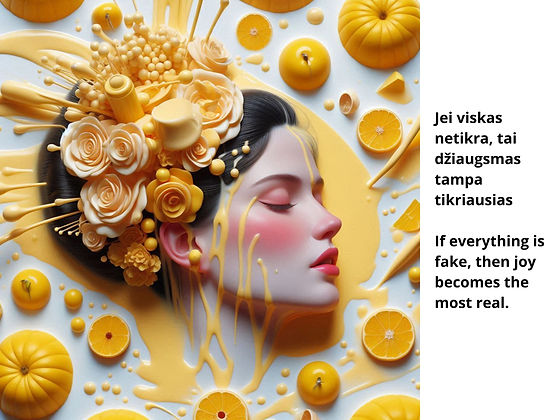
Digital Art
50 x 70 cm
2025
Postoptimism 29

Digital Art
50 x 70 cm
2025
Postoptimism 30

Digital Art
50 x 70 cm
2025
Postoptimism 31

Digital Art
50 x 70 cm
2025
Postoptimism 32

Digital Art
50 x 70 cm
2025
Postoptimism 33

Digital Art
50 x 70 cm
2025
Postoptimism 34

Digital Art
50 x 70 cm
2025
Postoptimism 35

Digital Art
50 x 70 cm
2025
Postoptimism 36

Digital Art
50 x 70 cm
2025
Postoptimism 37

Digital Art
50 x 70 cm
2025
Postoptimism 38

Digital Art
50 x 70 cm
2025
Postoptimism 39

Digital Art
50 x 70 cm
2025
Postoptimism 40

Digital Art
50 x 70 cm
2025
Postoptimism 41

Digital Art
50 x 70 cm
2025
Postoptimism 42

Digital Art
50 x 70 cm
2025
Postoptimism 43

Digital Art
50 x 70 cm
2025
Postoptimism 44

Digital Art
50 x 70 cm
2025
Postoptimism 45

Digital Art
50 x 70 cm
2025
Postoptimism 46

Digital Art
50 x 70 cm
2025
Postoptimism 47

Digital Art
50 x 70 cm
2025
Postoptimism 48

Digital Art
50 x 70 cm
2025
Postoptimism 49

Digital Art
50 x 70 cm
2025
Postoptimism 50

Digital Art
50 x 70 cm
2025
Postoptimism 51

Digital Art
50 x 70 cm
2025
Postoptimism 52

Digital Art
50 x 70 cm
2025
Postoptimism 53

Digital Art
50 x 70 cm
2025
Postoptimism 54

Digital Art
50 x 70 cm
2025
Postoptimism 55

Digital Art
50 x 70 cm
2025
Postoptimism 56

Digital Art
50 x 70 cm
2025
Postoptimism 57

Digital Art
50 x 70 cm
2025
Postoptimism 58

Digital Art
50 x 70 cm
2025
Postoptimism 59

Digital Art
50 x 70 cm
2025
Postoptimism 60

Digital Art
50 x 70 cm
2025
Postoptimism 61

Digital Art
50 x 70 cm
2025
Postoptimism 62

Digital Art
50 x 70 cm
2025
Postoptimism 63

Digital Art
50 x 70 cm
2025
Postoptimism 64

Digital Art
50 x 70 cm
2025
Postoptimism 65

Digital Art
50 x 70 cm
2025
Postoptimism 66

Digital Art
50 x 70 cm
2025
Postoptimism 67

Digital Art
50 x 70 cm
2025
Postoptimism 68

Digital Art
50 x 70 cm
2025
Postoptimism 69

Digital Art
50 x 70 cm
2025
Postoptimism 70

Digital Art
50 x 70 cm
2025
Postoptimism 71

Digital Art
50 x 70 cm
2025
Postoptimism 72

Digital Art
50 x 70 cm
2025
Postoptimism 73

Digital Art
50 x 70 cm
2025
Postoptimism 74

Digital Art
50 x 70 cm
2025
Postoptimism 75

Digital Art
50 x 70 cm
2025
Postoptimism 76

Digital Art
50 x 70 cm
2025
Postoptimism 77

Digital Art
50 x 70 cm
2025
Postoptimism 78

Digital Art
50 x 70 cm
2025
Postoptimism 79

Digital Art
50 x 70 cm
2025
Postoptimism 80

Digital Art
50 x 70 cm
2025
Postoptimism 81

Digital Art
50 x 70 cm
2025
Postoptimism 82

Digital Art
50 x 70 cm
2025
Postoptimism 83

Digital Art
50 x 70 cm
2025
Postoptimism 84

Digital Art
50 x 70 cm
2025
Postoptimism 85

Digital Art
50 x 70 cm
2025
Postoptimism 86

Digital Art
50 x 70 cm
2025
Postoptimism 87

Digital Art
50 x 70 cm
2025
Postoptimism 88

Digital Art
50 x 70 cm
2025