.png)

Personal Matter: The Philosophical and Neurological Dimension of Becoming Human
Personal matter is the area of human existence in which reason, feelings and ideal actions acquire a material reflection. It is not a metaphorical, but a real place in which human internal processes – thinking, emotions, value decisions – change the structure of the central nervous system, the physiology of the body and biochemical parameters. In other words, a person is not only a thinking being, but also a being materially transformed by his thoughts.
This concept combines the phenomenological concept of the body (Merleau-Ponty, 1945), the Spinozist ontology of unity (“mens et corpus una eademque res”) and modern neuroscientific introspection (Damasio, 1994; Siegel, 2012). Personal matter is not a theory of dualism, but of living unity.
I. The Unity of Mind and Body
In classical philosophy, body and soul were often contrasted. Descartes also argued that man is a combination of two substances: the thinking (res cogitans) and the extended (res extensa). However, modern thought, from Spinoza to Merleau-Ponty, has established the opposite view: man is a homogeneous being, whose thinking and corporeality form a single whole.
Personal matter concretizes this unity. It shows that every thought creates a physiological echo, every feeling materializes in the body. When we think about pain, our body reproduces it; when we experience joy, our heart rate changes. These phenomena are not symbolic - they are ontologically real changes.
II. Biological Phenomenology of Emotions
According to António Damásio (1999), “consciousness is the narrative of the state of the body, conveyed to the mind.” Personal matter reflects this: emotions are not just mental states, they are chemical and electrical patterns recorded in the tissues of the body. Anger causes a surge of adrenaline, fear freezes the breath, and love rewrites the hormonal melody.
This means that personal experience is a biological creation. It shapes the synapses of the brain, adjusts the networks of neurons, and transforms our physical expression. Each person’s life becomes a living pattern—an individual neurophysiological landscape that reflects the history of their experiences.
III. Memory as Body Text
Memory is not just the storage of information. It is a material network of imprints. Modern neuroscience shows that emotional memories are etched not only in neural connections, but also in the endocrine, immunological, and even muscular systems. So it can be said that the human body is a philosophical text written by its soul.
This idea is close to Merleau-Ponty's phenomenology: "The body is the medium of our being in the world" (1945). Personal matter goes beyond this insight - it shows that the body not only conveys, but also preserves the metaphysics of experience. It is an archive of our being, the pages of which are made up of biochemical reactions and neural pathways.
IV. The Materiality of the Spirit
Personal matter testifies that the spirit has a substance. It is not external to the body, but lies within its very process. Every act of thinking is a neural creation, every moral decision a chemical balancing act. In this way, human value choices take on a biological form: virtue and wisdom become not only ideas, but also bodily traces.
Here a new approach to human ethics opens up: moral growth is a physiological process. Long-term practice of empathy, gratitude, or love not only changes consciousness, but also shapes brain structures (Siegel, 2012). Personal matter is the site of these changes – a living laboratory in which a person physically becomes what he thinks.
V. Ontological and Metaphysical Significance
Personal matter connects ontology with biology. It proves that existence is not a passive state, but an active creation of the self. Every human action – both mental and emotional – is a body script that never disappears.
This forces us to reconsider the concept of human identity: “Who am I?” becomes a question not only of consciousness, but also of the material history of becoming. Our personal matter is an invisible autobiography, written in tissues, blood and neural networks. It is a bridge between metaphysics and physiology, between transcendence and biological temporality.
Personal matter is the center of human existence. It testifies that the spiritual life of man is not disconnected from the physical presence. Every thought, every feeling and every moral decision shapes not only our consciousness, but also the structure of our body.
From this point of view, the human body becomes a philosophical fact - living proof that consciousness materializes. Personal matter is the metaphysics of human becoming in the body, constantly renewing, breathing and testifying to the unity of our existence.
Personal matter 1

Digital Art
50 x 70 cm
2025
Personal matter 2

Digital Art
50 x 70 cm
2025
Personal matter 3

Digital Art
50 x 70 cm
2025
Personal matter 4

Digital Art
50 x 70 cm
2025
Personal matter 5

Digital Art
50 x 70 cm
2025
Personal matter 6

Digital Art
50 x 70 cm
2025
Personal matter 7

Digital Art
50 x 70 cm
2025
Personal matter 8

Digital Art
50 x 70 cm
2025
Personal matter 9

Digital Art
50 x 70 cm
2025
Personal matter 10

Digital Art
50 x 70 cm
2025
Personal matter 11

Digital Art
50 x 70 cm
2025
Personal matter 12

Digital Art
50 x 70 cm
2025
Personal matter 13

Digital Art
50 x 70 cm
2025
Personal matter 14

Digital Art
50 x 70 cm
2025
Personal matter 15

Digital Art
50 x 70 cm
2025
Personal matter 16

Digital Art
50 x 70 cm
2025
Personal matter 17

Digital Art
50 x 70 cm
2025
Personal matter 18

Digital Art
50 x 70 cm
2025
Personal matter 19

Digital Art
50 x 70 cm
2025
Personal matter 20

Digital Art
50 x 70 cm
2025
Personal matter 21

Digital Art
50 x 70 cm
2025
Personal matter 22

Digital Art
50 x 70 cm
2025
Personal matter 23

Digital Art
50 x 70 cm
2025
Personal matter 24

Digital Art
50 x 70 cm
2025
Personal matter 25

Digital Art
50 x 70 cm
2025
Personal matter 26

Digital Art
50 x 70 cm
2025
Personal matter 27

Digital Art
50 x 70 cm
2025
Personal matter 28

Digital Art
50 x 70 cm
2025
Personal matter 29

Digital Art
50 x 70 cm
2025
Personal matter 30

Digital Art
50 x 70 cm
2025
Personal matter 31

Digital Art
50 x 70 cm
2025
Personal matter 32

Digital Art
50 x 70 cm
2025
Personal matter 33

Digital Art
50 x 70 cm
2025
Personal matter 34

Digital Art
50 x 70 cm
2025
Personal matter 35

Digital Art
50 x 70 cm
2025
Personal matter 36

Digital Art
50 x 70 cm
2025
Personal matter 37
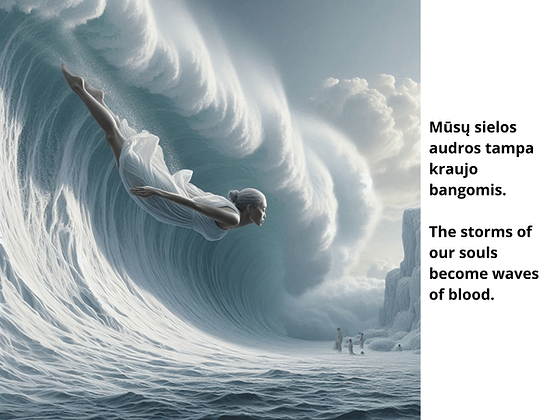
Digital Art
50 x 70 cm
2025
Personal matter 38

Digital Art
50 x 70 cm
2025
Personal matter 39

Digital Art
50 x 70 cm
2025
Personal matter 40

Digital Art
50 x 70 cm
2025
Personal matter 41

Digital Art
50 x 70 cm
2025
Personal matter 42

Digital Art
50 x 70 cm
2025
Personal matter 43

Digital Art
50 x 70 cm
2025
Personal matter 44

Digital Art
50 x 70 cm
2025
Personal matter 45

Digital Art
50 x 70 cm
2025
Personal matter 46

Digital Art
50 x 70 cm
2025
Personal matter 47

Digital Art
50 x 70 cm
2025
Personal matter 48

Digital Art
50 x 70 cm
2025
Personal matter 49

Digital Art
50 x 70 cm
2025
Personal matter 50

Digital Art
50 x 70 cm
2025
Personal matter 51

Digital Art
50 x 70 cm
2025
Personal matter 52

Digital Art
50 x 70 cm
2025
Personal matter 53

Digital Art
50 x 70 cm
2025
Personal matter 54

Digital Art
50 x 70 cm
2025
Personal matter 55

Digital Art
50 x 70 cm
2025
Personal matter 56
Digital Art
50 x 70 cm
2025
Personal matter 57

Digital Art
50 x 70 cm
2025
Personal matter 58

Digital Art
50 x 70 cm
2025
Personal matter 59

Digital Art
50 x 70 cm
2025
Personal matter 60

Digital Art
50 x 70 cm
2025
Personal matter 61

Digital Art
50 x 70 cm
2025
Personal matter 62

Digital Art
50 x 70 cm
2025
Personal matter 63

Digital Art
50 x 70 cm
2025
Personal matter 64

Digital Art
50 x 70 cm
2025
Personal matter 65
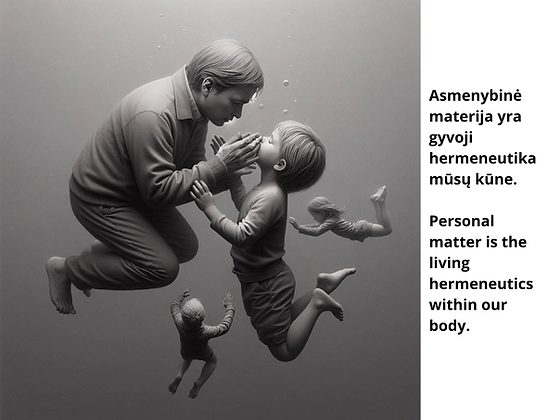
Digital Art
50 x 70 cm
2025
Personal matter 66

Digital Art
50 x 70 cm
2025
Personal matter 67

Digital Art
50 x 70 cm
2025
Personal matter 68

Digital Art
50 x 70 cm
2025
Personal matter 69

Digital Art
50 x 70 cm
2025
Personal matter 70

Digital Art
50 x 70 cm
2025
Personal matter 71

Digital Art
50 x 70 cm
2025
Personal matter 72
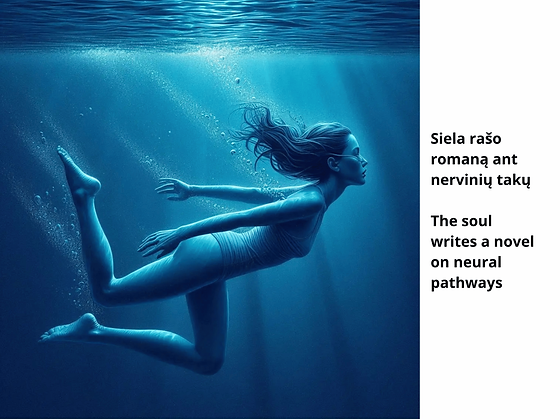
Digital Art
50 x 70 cm
2025
Personal matter 73

Digital Art
50 x 70 cm
2025
Personal matter 74

Digital Art
50 x 70 cm
2025
Personal matter 75

Digital Art
50 x 70 cm
2025
Personal matter 76

Digital Art
50 x 70 cm
2025
Personal matter 77

Digital Art
50 x 70 cm
2025
Personal matter 78

Digital Art
50 x 70 cm
2025
Personal matter 79

Digital Art
50 x 70 cm
2025
Personal matter 80

Digital Art
50 x 70 cm
2025
Personal matter 81

Digital Art
50 x 70 cm
2025
Personal matter 82

Digital Art
50 x 70 cm
2025
Personal matter 83

Digital Art
50 x 70 cm
2025
Personal matter 84

Digital Art
50 x 70 cm
2025
Personal matter 85

Digital Art
50 x 70 cm
2025
Personal matter 86

Digital Art
50 x 70 cm
2025
Personal matter 87

Digital Art
50 x 70 cm
2025
Personal matter 88

Digital Art
50 x 70 cm
2025
Personal matter 89

Digital Art
50 x 70 cm
2025
Personal matter 90

Digital Art
50 x 70 cm
2025
Personal matter 91

Digital Art
50 x 70 cm
2025
Personal matter 92

Digital Art
50 x 70 cm
2025
Personal matter 93
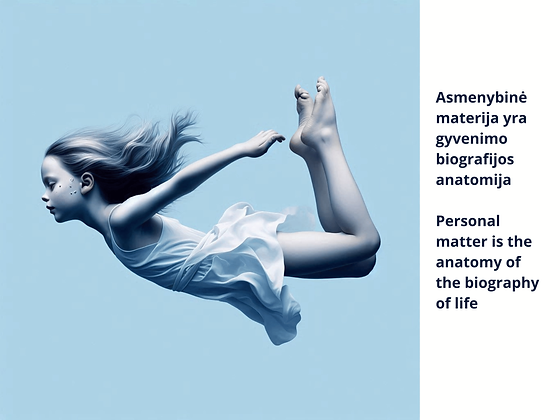
Digital Art
50 x 70 cm
2025
Personal matter 94

Digital Art
50 x 70 cm
2025
Personal matter 95

Digital Art
50 x 70 cm
2025
Personal matter 96

Digital Art
50 x 70 cm
2025
Personal matter 97

Digital Art
50 x 70 cm
2025
Personal matter 98

Digital Art
50 x 70 cm
2025
Personal matter 99

Digital Art
50 x 70 cm
2025